

Learn how nutrition supports healthy aging. Explore science-based tips and recipes for longevity, disease reduction, and vibrant quality of life.
Nutrition for Healthy Aging: What to Eat for Longevity, Disease Reduction, and Vitality
Aging well isn’t about chasing youth—it’s about supporting health, function, and quality of life for the years ahead. A growing body of research shows that what we eat plays a powerful role in how we age, influencing everything from chronic disease risk and cognitive health to mobility, energy, and independence. The good news? Many of the most effective strategies for healthy aging are also simple, delicious, and rooted in everyday food choices
Eating more plant foods is key to healthy aging. Try this recipe for Asparagus Dill Tofu Quiche
You might not be able to turn back the hands of time for every wrinkle and body ache, but you can certainly reduce your risk or delay the onset of chronic diseases associated with aging, such as heart disease, diabetes, cancer, and neurodegenerative diseases. Your daily food and activity choices can significantly lower your risk of developing such diseases, according to scientific evidence. Preventing these conditions can make the difference between living a long, vibrant life or a short life riddled with disease and disability.
Include more anti-inflammatory foods, such as colorful fruits. Start with this recipe for Easy Chocolate Chia Pudding with Strawberries.
Anti-Inflammatory Eating
Particular foods and eating patterns are linked with lower levels of inflammatory biomarkers. This diet-inflammation connection might be one explanation for disease protection. While acute inflammation— your body’s natural reaction to an injury or assault, like stubbing your toe or getting a splinter in your finger—is a good thing, chronic inflammation is not. When the body’s inflammatory reaction fails to shut off, or becomes activated when there is no real trigger—sometimes lasting for days, months or even years—chronic inflammation results. This underlying inflammation is the root of many diseases, including heart disease, metabolic syndrome, type 2 diabetes, cancer, rheumatoid arthritis, and neurological degeneration such as Alzheimer’s disease. In fact, obesity itself is a pro-inflammatory state that can foster chronic diseases. Learn more about anti-inflammatory eating here.
Andrew Weil, M.D., Director of Integrative Medicine at the University of Arizona, states that inflammatory status is strongly influenced by diet. “Most people go through life in a pro-inflammatory state, because they eat a modern, industrialized diet, which gives you carbohydrates and fats without all of the protective elements,” says Weil. He reports that a diet that includes protective foods, such as vegetables, fish and whole grains, offers anti-inflammatory benefits that promote healthy aging, and support optimum health at any age.
Include more pulses, such as beans, lentils, and peas. This Black Bean Corn Chili is a great starter recipe.
Optimal Diet Patterns
To reduce inflammation, follow a diet rich in whole foods, including carbohydrates such as whole grains and fruits, fats like nuts and avocados, and protein sources, such as soy foods and pulses. Include regular exercise and don’t smoke—lifestyle choices that seem to “cool down” inflammation, according to a review published in the Journal of the American College of Cardiology.
Include more colorful fruits and vegetables in your diet, such as in this recipe for Easy Cauliflower Chickpea Tacos
Healthy Aging in Every Bite
Scientists are also exploring the benefits of individual foods on inflammation, particularly berries, tomatoes, walnuts, spices, tea, extra virgin olive oil, and red wine, which appear to be especially promising. You can protect yourself from inflammation at every meal by loading up on anti-inflammatory foods. In a randomized trial published in the Journal of the American College of Nutrition, a strawberry beverage consumed with a high-fat meal blunted the inflammatory response of that meal. This effect has been seen with other powerful anti-inflammatory foods, such as tomatoes.
Your best bet to reduce disease risk is to include an array of plant foods in your diet in order to gain the benefits of their interactive and naturally occurring nutrients and phytochemicals which can tamp down chronic inflammation and promote optimal aging.
Healthy Aging Eating Tips
To reduce your risk of age-related chronic diseases and promote healthy aging, try these anti-inflammatory eating approaches:
1. Support a Healthy Weight
One key healthy aging strategy is to balance your energy intake with your energy needs to maintain a healthful weight. This can cut your risk of disease, increase physical function, and promote a higher quality life. Choose more high volume foods, which provide a boost of satisfying fiber and nutrition with fewer calories, such as whole grains, vegetables, and fruits.
Increase the diversity of plant foods on your plate. This recipe for Easy Herb Grilled Vegetables is a great way to showcases variety.
2. Variety is Key
Load your diet with a variety of fruits and vegetables, in every color, size, texture, and shape, to provide a range of nutrients and anti-inflammatory compounds.
Try more whole grains in this easy recipe for Easy Brown Rice with Cumin.
3. Choose Carbs That Are Less Refined
Carbohydrate foods that are less processed and higher in fiber should be your first choice, such as unsweetened fruits, vegetables, and whole grains, including whole wheat, oats, quinoa, brown rice, bulgur, and barley. Limit foods that are refined, overly processed, and low in nutrients, such as those made with white flour, sugars, and refined oils, including donuts and sugary cereals.
Try more plant-based proteins, such as in this recipe for Curried Oat White Bean Veggie Burgers.
4. Don’t Overdo Animal Protein
Limit your intake of animal proteins, such as excessive amounts of red meat, poultry, eggs, and dairy products. If you eat animal foods, choose fish and seafood a couple of times per week as your main choice along with a plant-focused diet.
Include more soy foods, such as tofu in this recipe for Easy Miso Green Bean & Tofu Stir-Fry.
5. Push Plant Proteins
Include more plant proteins, such as beans, lentils, peas, soy foods (tofu, tempeh, soy milk, edamame), seeds, and nuts.
Include more plant fats, such as from olives, nuts, sees, and avocados. Try this easy recipe for Homemade Pistachio Butter.
6. Select Healthy Fats
The healthiest forms of fats include those from olives, nuts, seeds and avocados. This includes the whole foods, as well as oils from these foods. Minimize saturated fat from meats and dairy products and palm or coconut oil in snack foods.
Choose omega-3 rich food sources, such as walnuts in recipe like Easy Overnight Oats with Figs & Walnuts.
7. Boost Omega-3 Fatty Acids
Include healthy omega-3 fat sources such as walnuts, hemp, soy foods, chia, and flaxseed to support heart health and reduce inflammation. If you eat a pescatarian diet, you can get omega-3s through small amounts of seafood.
Include a bounty of spices in your diet. For inspiration try this recipe for Golden Turmeric Smoothie.
8. Flavor Your Foods with Herbs and Spices
Including more anti-inflammatory spices and herbs, such as garlic, green herbs, ginger, black or red pepper, and turmeric is a great way to reduce inflammation in the body.
Iced Green Tea with Lemon and Cucumbers
9. Drink Well
Include more green, white, black tea, and coffee (unsweetened) more often, as they are rich in antioxidant compounds. If you drink alcohol, enjoy red wine in moderation (no more than one glass per day for women, one to two glasses per day for men).
Enjoy dark chocolate in bars or in cooking. This recipe for Healthy Vegan Rose Brownies with Pomegranates is a delicious start.
10. Enjoy Dark Chocolate
Including antioxidant-rich dark chocolate (at least 70% cocoa) in small amounts (up to one ounce) as a treat is a healthy habit with flavor benefits.
For other tips on eating a diet for healthy aging, check out the following:
How to Age Well: Top Nutrition and Lifestyle Tips for Healthy Aging and Longevity
Healthy Aging Lessons from the Blue Zones + Blue Zones Recipes
Live Chat: A Plant-Based Diet for Healthy Aging with Chris Rosenbloom
Fueling Plant Protein and Activity to Help Preserve Muscles During Aging
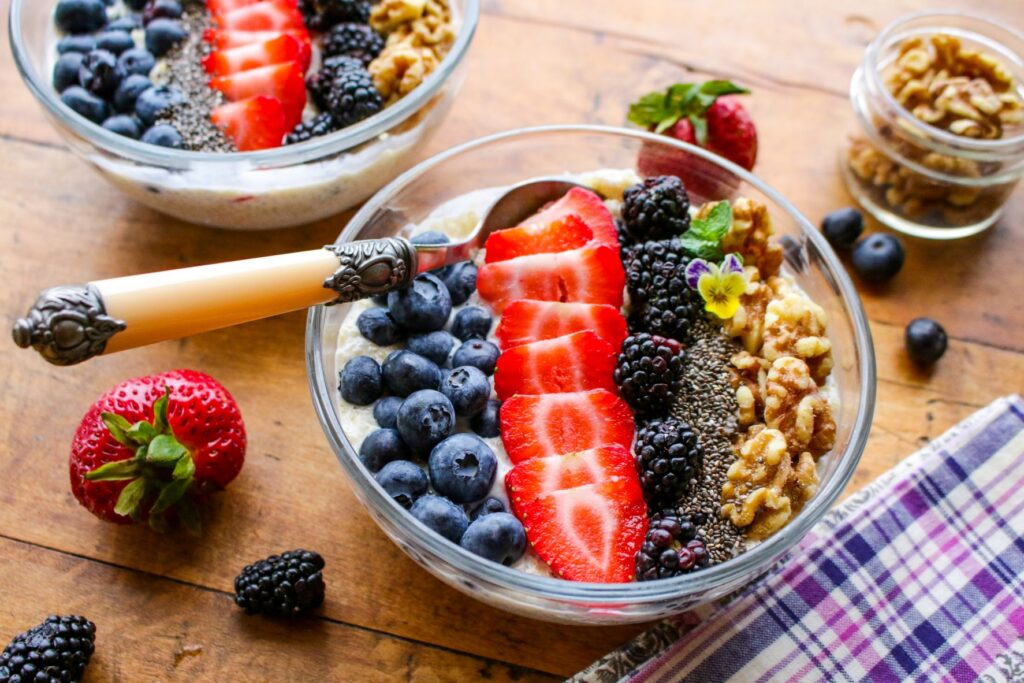
Main Image: Berry Bowl with Quinoa and Walnuts
As an Amazon Influencer, I earn from qualifying purchases. For more information about affiliate links, click here.
